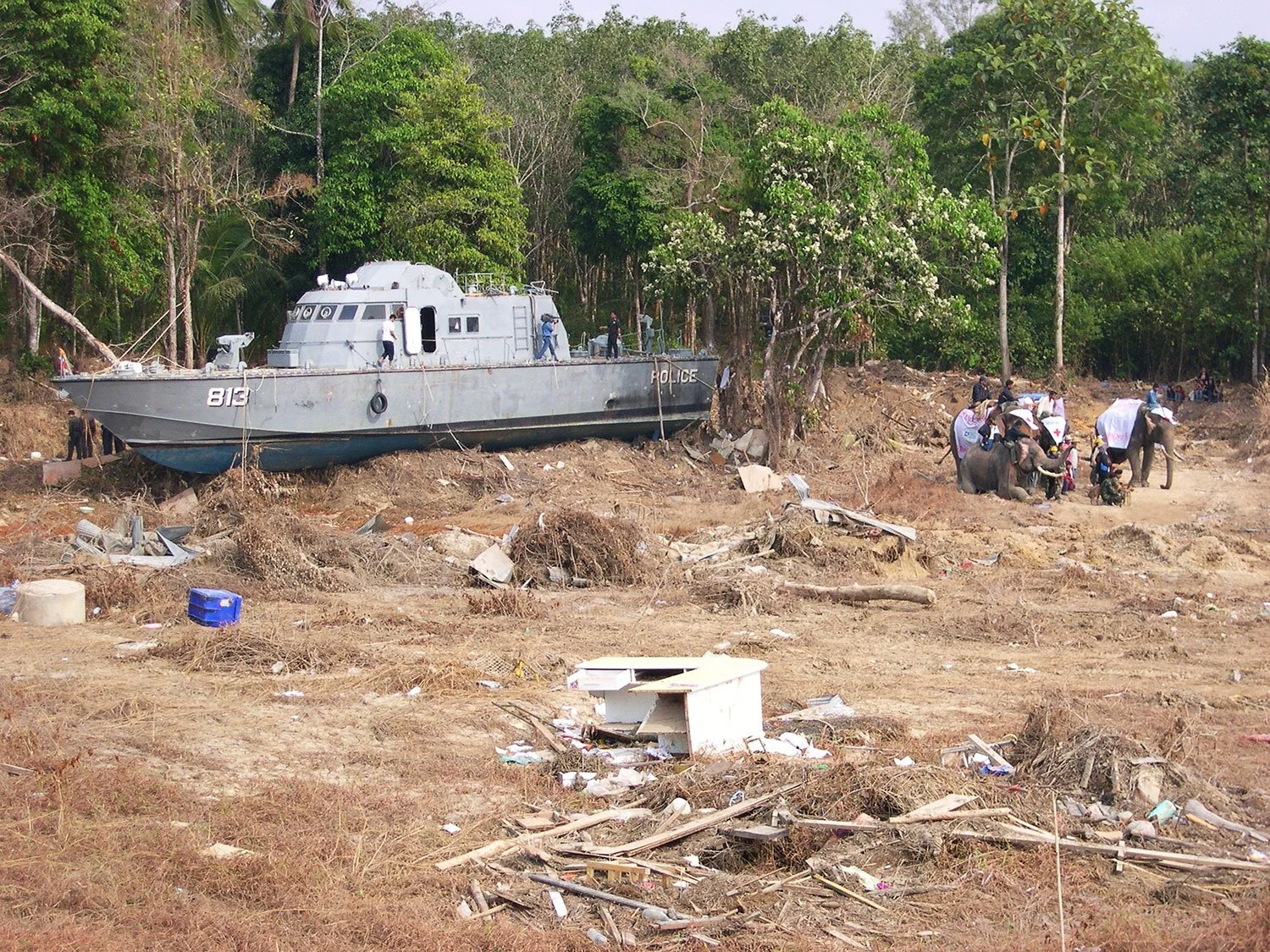
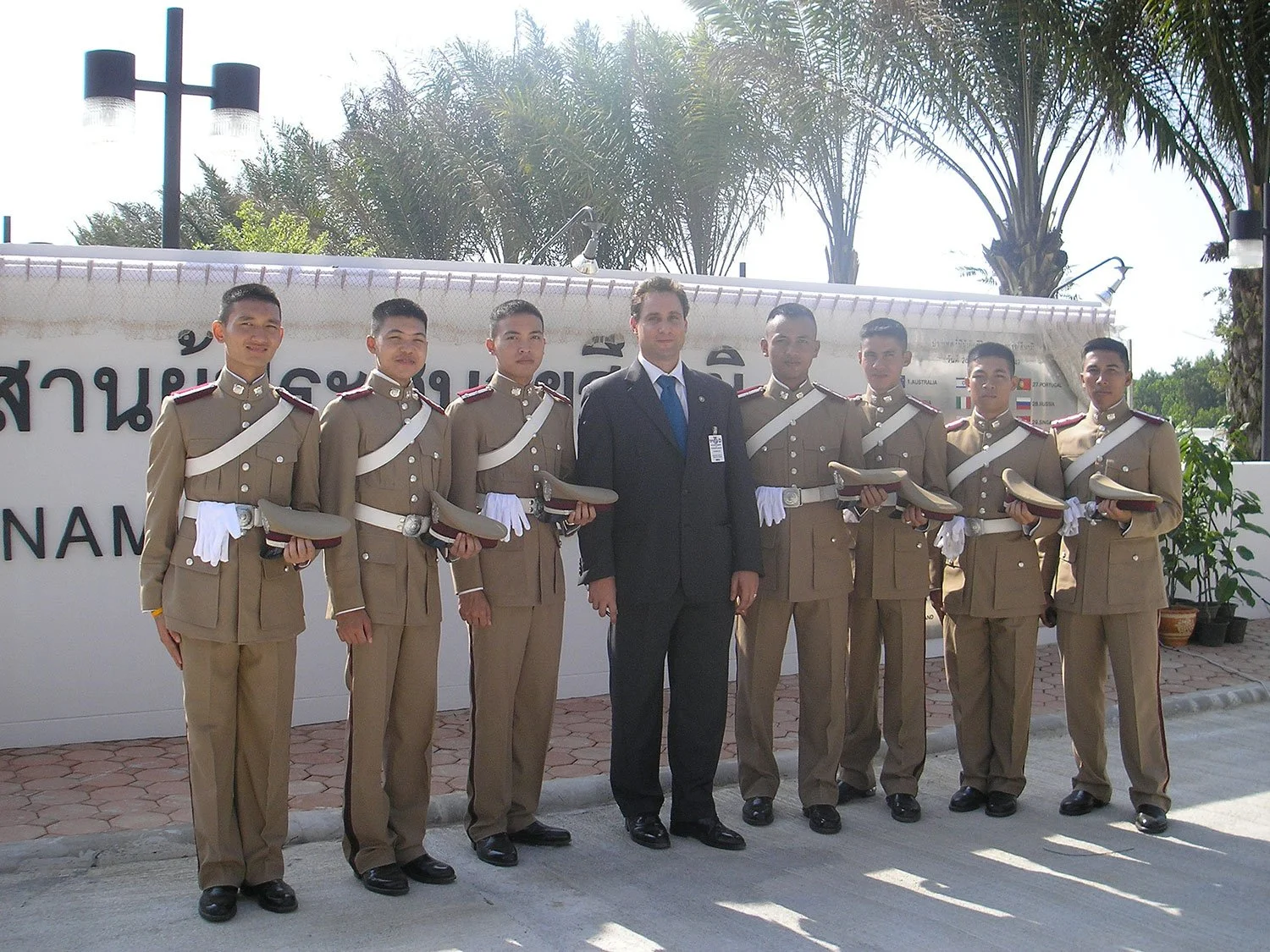
It took me almost 20 years to make sense of the experience of the few years I spent identifying and repatriating victims of the 2004 Indian Ocean Tsunami in Thailand.
When I returned from a diplomatic posting in Bangkok to a management position at the Melbourne Passport Office in February 2009, perched high above Spring Street, I watched smoke rising from the Black Saturday Bushfires in which 173 people had perished. I called colleagues in the Disaster Victim Identification team to ask if there was a role for me. I wanted to be involved. They said, “It’s alright, Mate – we’ve got this.”
Instead, I took a posting to Accra, Ghana in 2010. I flew to Côte d’Ivoire to report on violent conflicts there and to support multiple evacuations. Over the following 15 years I continued to research disaster responses, worked on industrial safety campaigns and responded to fatalities and other incidents in the mining sector. I am still on call today as an emergency responder.
Writing The Diplomat was cathartic but also challenging. It opened the lid to difficult and sensitive memories, and some deeply personal stories surrounding events that changed many lives.
I penned a memoir from my notes, which I called “The Body Collector”, and a piece of noir fiction. A friend helped me to reveal, as she put it, “what was bugging me” and guided me to the craft of fiction. Fiction has enabled me to move beyond cold facts and numbers into the mystical, poetic world of dreams, spirits and the supernatural, where grief, compassion and memory take shape in our imagination.
Writing the novel gave me the freedom to explore dimensions of death and loss, the role of first responders, media and governments, as well as feelings, the realities of life, relationships and a truth about the human experience.
I wrote The Diplomat in the hope that telling this story might contribute in some small way to how we understand the impacts of disasters and tragedies, beyond the great numbers of deaths and injuries, and the significance of lives lost, particularly for the families left behind.
As a society, the calibre of our responses reveals something fundamental about our shared humanity. Remembering those lessons is one way of honouring survivors and victims whose stories deserve to be told.
In writing the novel, my purpose was also to highlight the role of first responders and the importance of recognition in recovery.
The world is always facing new disasters. Each more terrifying than the last.
“We are always planning for the last disaster.”
This is an adaptation of a classic military maxim: “Generals always prepare to fight the last war”. It is a critique of human complacency; our tendency to prepare for past crises rather than existential threats like climate change.